
You just got the refund. The kitchen table is covered with the usual clutter, the rent check is coming up, and the question is annoyingly simple, should that cash go into a Roth IRA or stay in a savings account. For a lot of San Diego households, that decision gets made badly because the internet treats both accounts like they're interchangeable. They're not, and the wrong choice can cost you real money over time.
| Criterion | Roth IRA | Savings Account |
|---|---|---|
| What it is | Tax wrapper for investments | Bank deposit account |
| Return source | Depends on what you invest in | Posted APY from the bank |
| Tax treatment | Qualified withdrawals can be tax-free | Interest is taxed each year as ordinary income |
| Liquidity | Contributions are generally accessible, earnings have rules | Cash is available and simple to use |
| Best use | Long-term retirement compounding | Emergency fund and near-term goals |
| Risk | Market risk depends on holdings | Principal is stable, but yield is usually low |
| Typical return range | Long-run diversified portfolios are often discussed around 7% to 10% annually, conservative portfolios around 3% to 5% source | Recent high-yield savings accounts have been marketed around 3% to 5% APY, while regular savings averaged 0.41% in April 2025 source |
Table of Contents
- The Question Most San Diego Households Get Wrong
- What a Roth IRA and a Savings Account Are
- Side-by-Side Comparison Across the Decision Criteria
- A Worked Example Showing the Compounding Gap
- Why a Roth IRA Is a Bad Emergency Fund
- A Simple Decision Rule by Time Horizon and Tax Bracket
- Building a Layered Plan That Uses Both Accounts
The Question Most San Diego Households Get Wrong
A Clairemont couple walks in with a $7,000 tax refund and the same dilemma I hear all the time. One spouse wants to “be responsible” and stuff it into savings, the other wants to “do the smart thing” and open a Roth IRA. Both are partly right, and both are usually thinking too narrowly.
The mistake is treating this like a moral choice between discipline and investing. It's really a time-horizon question, and for California households it's also a tax-bracket question because you're not just deciding where the money sits, you're deciding how it grows and how it gets taxed on the way. A savings account gives you access and simplicity. A Roth IRA gives you a tax wrapper for compounding, but only if you leave the money alone long enough for the rules to work in your favor.
Practical rule: If the money has a job in the next few years, keep it liquid. If it's retirement money, stop treating it like idle cash.
That difference matters more in San Diego than people admit. Rent, property taxes, childcare, commuting, and California income tax all squeeze the margin for error. If your refund is supposed to keep the household stable, shoving it into a Roth because “tax-free growth sounds better” can be reckless. If it's excess money meant for retirement, leaving it in low-yield cash is the bigger mistake.
The unvarnished truth is this, the wrong default can cost a lot over a working career. A Roth IRA is built for decades of compounding. A savings account is built for access. Confusing the two is how families end up underfunded in retirement and still too thin on cash when life gets messy.
What a Roth IRA and a Savings Account Are
A Roth IRA is not a savings account. It is a tax wrapper for investments, which means the account itself does not create the return. The investments inside it do. That is why a Roth can hold stocks, ETFs, bonds, money market funds, brokered CDs, or cash-like instruments, while a savings account just holds cash at a bank.
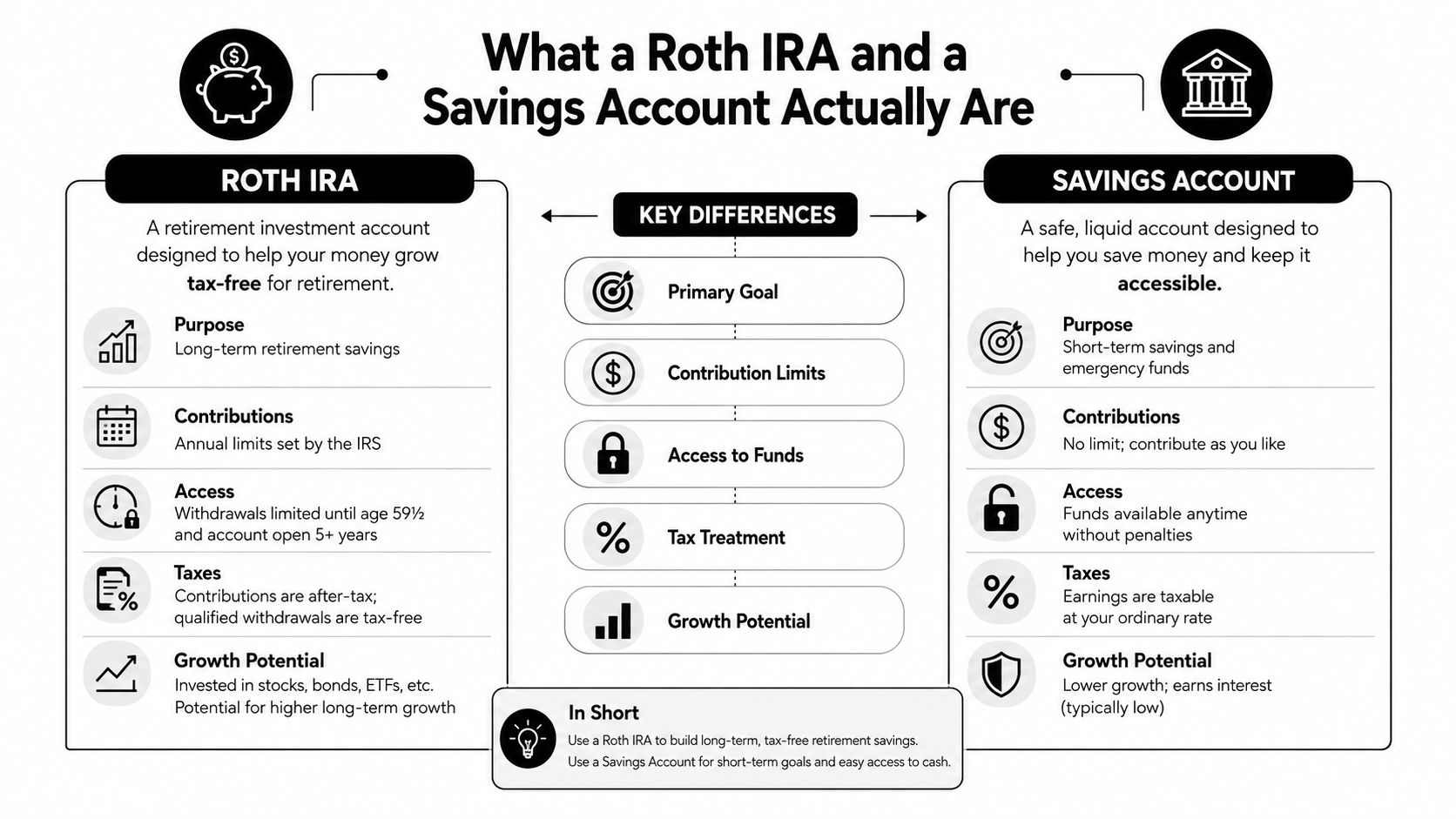
A savings account is much simpler. You deposit cash, the bank posts an interest rate, and the balance stays available. That makes a savings account the right tool for emergency cash. It also means the return usually trails long-term investing by a mile. The FDIC's April 2025 average for regular savings was 0.41%, while high-yield savings accounts were being marketed in the 3% to 5% APY range source.
A Roth IRA has a different promise. You contribute after-tax dollars, the assets grow inside the account, and qualified withdrawals of earnings are generally tax-free after age 59½ and five years of account ownership source. That is a retirement feature, not a short-term cash feature. The account works best when time is on your side.
For readers who want a deeper planning lens, the Wealth Collective retirement advice archive is a useful place to compare account types without losing sight of tax consequences. If you need to understand timing rules for contributions, the internal guide on IRA contribution deadline rules belongs in your bookmarks.
Bottom line: A savings account is for storing cash. A Roth IRA is for growing investments under a tax shelter.
Eligibility matters too. You need earned income to contribute to a Roth IRA, and the amount you can put in is limited by IRS rules. A savings account has no such contribution gate. That alone tells you these accounts solve different problems. One is a storage bucket. The other is a long-term engine.
Side-by-Side Comparison Across the Decision Criteria
A Roth IRA vs savings account comparison gets clearer once you stop asking which one sounds better and start asking what each account does to your cash over time. For California households, that question is really about time horizon, tax bracket, and whether the money needs to stay liquid.
| Criterion | Roth IRA | Savings Account |
|---|---|---|
| Contributions | Made with after-tax dollars | Deposits are just cash |
| Growth | Driven by investments inside the account | Driven by the bank's posted APY |
| Withdrawals | Qualified earnings can be tax-free after age 59½ and five years | Withdrawals are always cash, subject to account access rules |
| Emergency access | Contributions are generally accessible, earnings have restrictions | Built for immediate liquidity |
| Tax burden on earnings | Usually deferred until qualified withdrawal rules are met | Interest is taxed annually as ordinary income |
| Risk profile | Can be conservative or aggressive depending on holdings | Principal is stable, yield is modest |
| Best use case | Retirement compounding | Short-term reserves and emergency funds |
The return spread is the primary issue. Long-term diversified portfolios inside Roth IRAs are often discussed around 7% to 10% annually, while conservative portfolios are often closer to 3% to 5% source. Savings accounts, by contrast, usually sit wherever the bank's APY sits, and recent high-yield options have been in the 3% to 5% APY band source. That means a savings account can look competitive on rate in the short run, but it does not do the same job as an invested Roth IRA.
For California taxpayers, the tax side is where the decision gets expensive. Academic analysis finds that a Traditional IRA beats a Roth IRA only when the tax rate at withdrawal is lower than the tax rate at contribution, and the two are economically equivalent when the rates match source. Savings interest gets taxed every year as ordinary income, so the after-tax yield is dragged down immediately. A Roth IRA avoids that annual tax drag, which matters more when your marginal bracket is high and the money has years to compound.
Practical rule: The longer the money stays invested, the more the Roth's tax shelter matters.
A savings account is also unlimited in practice. You can keep adding cash as long as the bank allows it. A Roth IRA is capped by contribution rules, so it is not the place for every spare dollar, even if the tax treatment looks attractive. That cap is a feature, not a flaw. It keeps the account pointed at retirement, while a savings account stays the right tool for cash you may need soon.
A Worked Example Showing the Compounding Gap
Use the example that gets cited over and over because it makes the trade-off obvious. If someone contributes $6,000 per year for 10 years, a Roth IRA growing at 7% reaches about $83,095 source. Put the same money in a non-interest-bearing savings account, and it is still just $60,000 source. One account compounds. The other only stores cash.
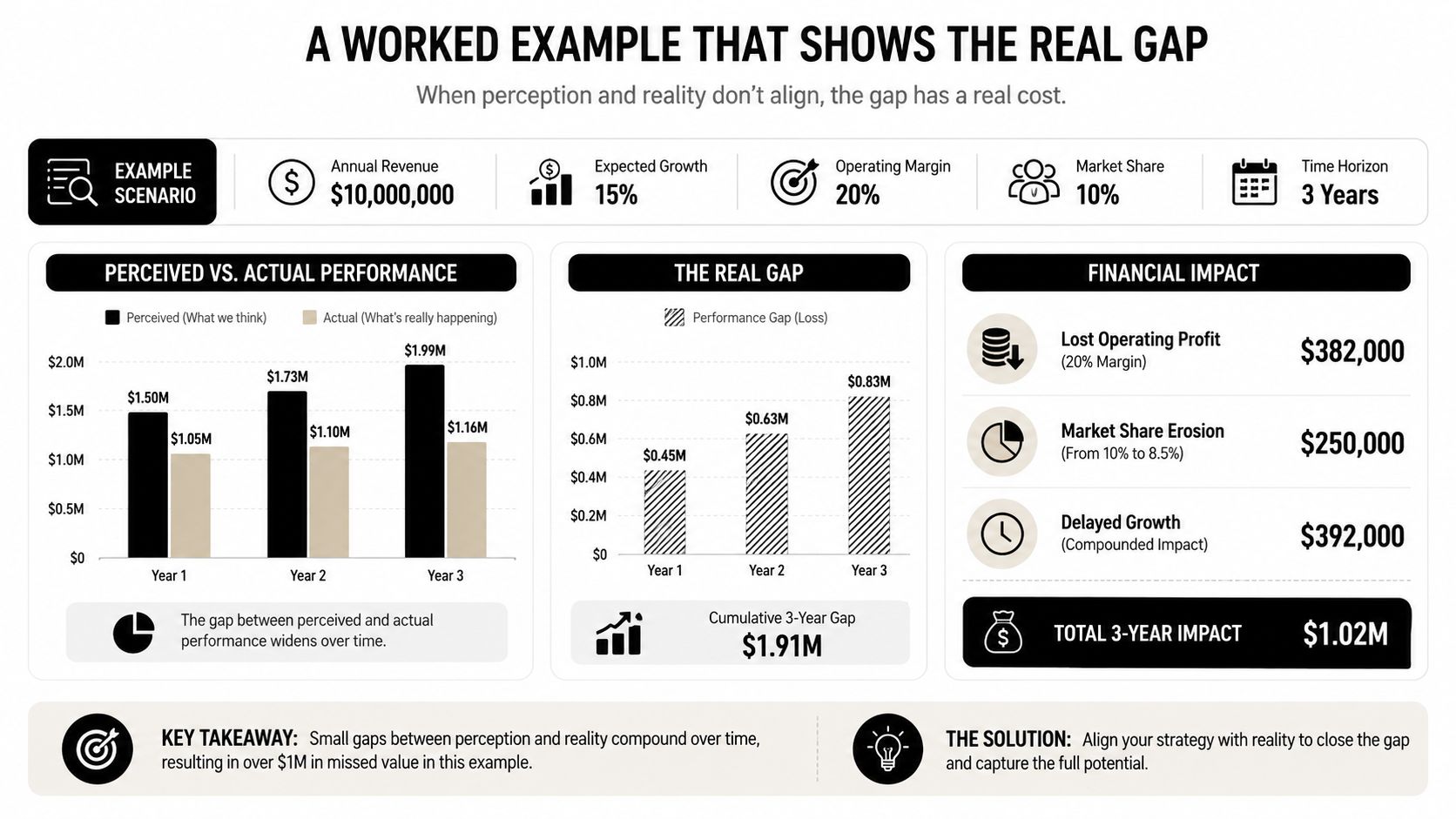
A high-yield savings account narrows the gap a bit, but it does not change the basic conclusion for money meant for retirement. Recent high-yield options have sat in the 3% to 5% APY range source. That works for cash you may need soon. It is still cash yield, not market growth.
For California households, the tax timing is what makes the gap expensive. Every year you hold money in savings, the interest is taxed as ordinary income, so your after-tax return gets clipped right away. A Roth IRA avoids that annual tax drag, which matters more when your marginal bracket is high and the money stays invested for years.
The longer the money stays invested, the wider the separation gets. That is compounding, plain and simple. A 10-year delay in getting invested can leave you with the same principal while the early investor's balance keeps pulling away. One historical analysis cited in the data found that in about 40 of 58 possible 40-year windows from 1926 to 1975, the person who invested early for 10 years and then stopped still finished ahead of the person who waited 10 years and then invested for 30 years straight source.
That is the part people miss. They compare today's savings rate to today's Roth balance and act like the accounts are interchangeable. They are not. One is a cash parking spot. The other is a compounding account, if you leave it alone long enough.
If you want a rough estimate for your own money, multiply your annual contribution by the years you expect to keep it invested, then ask a blunt question, are you protecting near-term cash or building retirement wealth? That answer usually settles the Roth IRA versus savings account decision faster than a spreadsheet.
If you want to protect your family with Koru, start with actual cash reserves before you raid retirement money.
Why a Roth IRA Is a Bad Emergency Fund
The line people repeat is seductive, “You can always pull your Roth contributions out.” That's technically true, but it's not a good reason to use the account as your primary emergency fund. A Roth IRA is a backup source of liquidity, not a replacement for cash you might need on short notice.
Here's the hard edge of the rule. Contributions are generally accessible without tax or penalty, but earnings usually are not if you withdraw before age 59½ and before the five-year rule is met source. That means the moment you start relying on gains, you're crossing into the part of the account that was supposed to stay invested. You're cutting into the very compounding that made the Roth attractive in the first place.
There's also a behavioral problem. People tell themselves they'll only use the contributions. Then a car repair, medical bill, or job gap shows up, and the line between contributions and earnings gets blurry fast. If the cash need is uncertain, the Roth starts becoming a fragile substitute for a real reserve.
A better emergency plan keeps the spending decision separate from the retirement decision. If you want to protect the household, build actual cash reserves first. The Koru emergency fund guide is a solid reminder that the point of emergency savings is stability, not return chasing.
One more thing California households should not ignore, the Roth's power depends on leaving the money alone for years. Every dollar you yank out early is a dollar that no longer compounds tax-free. That lost compounding is the primary cost, and it never shows up on the withdrawal confirmation screen.
Practical rule: If you think you may need the money before retirement, don't force the Roth to behave like a checking account.
This is why I'm blunt with clients. Use the Roth for retirement. Use savings for emergencies. Mixing the two usually means you end up with a weak emergency fund and a weakened retirement account.
A Simple Decision Rule by Time Horizon and Tax Bracket
A San Diego household should make this choice with two filters, when will the money be spent, and what tax bracket will it face later. If the cash is needed within 1 to 3 years, park it in a high-yield savings account. If the money is for retirement and sits more than 10 years out, a Roth IRA belongs in the conversation, especially if your long-term tax bill is likely to be higher than it is today source.
The middle ground is where clients get sloppy. If your income is steady, your emergency fund is already funded, and you expect to land in a higher bracket later, the Roth deserves the money. If your job is shaky, your business income swings, or your cash reserve is thin, keep the money in savings. That is not indecision, it is the correct order of operations.
The tax math is simple. A Traditional IRA only beats a Roth IRA if the tax rate at withdrawal is lower than the tax rate at contribution. If the future rate is higher, the Roth wins after tax. If the rates are the same, the two choices end up economically similar source. For California residents, that comparison matters even more because state income tax makes the drag from taxable interest harder to ignore.
Practical rule: Put the money in the account that matches the date you need it, then match the tax wrapper to the bracket you expect later.
For the broader planning context, minimizing taxes in retirement is the right place to think about the after-tax income you want to create. A retirement account is not just a bucket. It is a decision about how much of your future cash flow you want the IRS and California to touch.
Here is the clean version. Near-term money goes to savings. Retirement money goes to a Roth if your future tax bracket is likely to be worse, or if you care more about tax-free withdrawals than taking a deduction today. Everything else comes down to job stability, how much cash you already hold, and whether you can leave the money invested without raiding it.
Building a Layered Plan That Uses Both Accounts
For a San Diego household, the right setup is layered. Keep one to three months of essential expenses in a savings account for true emergencies. If your paycheck swings, your business income is uneven, or family obligations make cash flow less predictable, add a second cash layer in high-yield savings so you are not forced to raid retirement money at the wrong time. Put long-horizon dollars into a Roth IRA up to the annual contribution limit, then move anything extra into taxable investing.
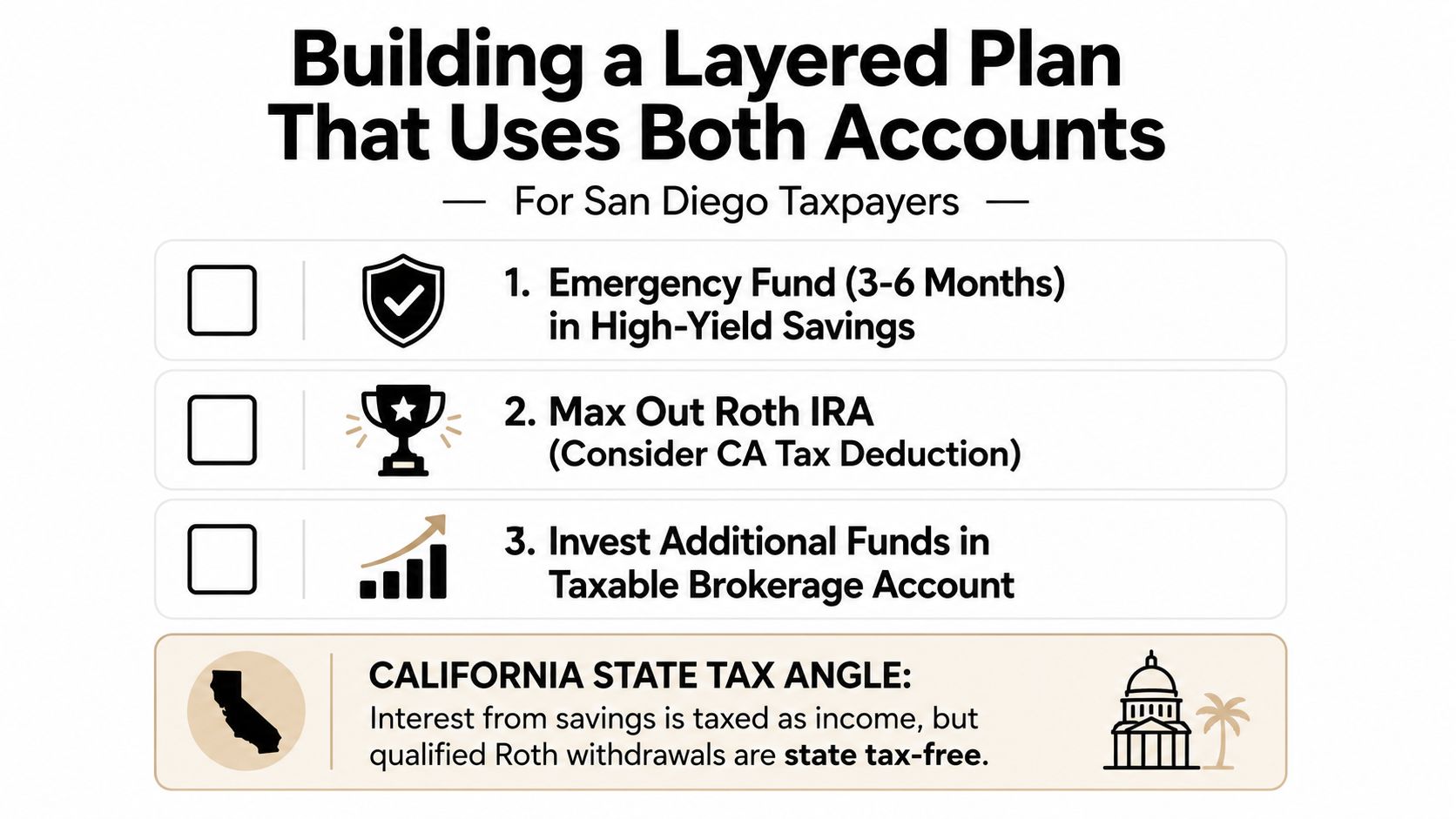
California changes the math in a real way. Savings-account interest is taxed each year as income, while qualified Roth withdrawals can be state tax-free when the rules are met. That means cash in savings is not just earning a lower posted yield, it is also losing more to tax each year than many people expect. The after-tax yield is what matters, not the headline APY.
If you want the whole picture to make sense, what is a financial plan is the right frame. Emergency reserves, retirement contributions, and tax planning belong in the same system, because each one affects the others. A cash bucket that ignores taxes is incomplete. A retirement bucket that ignores liquidity is incomplete too.
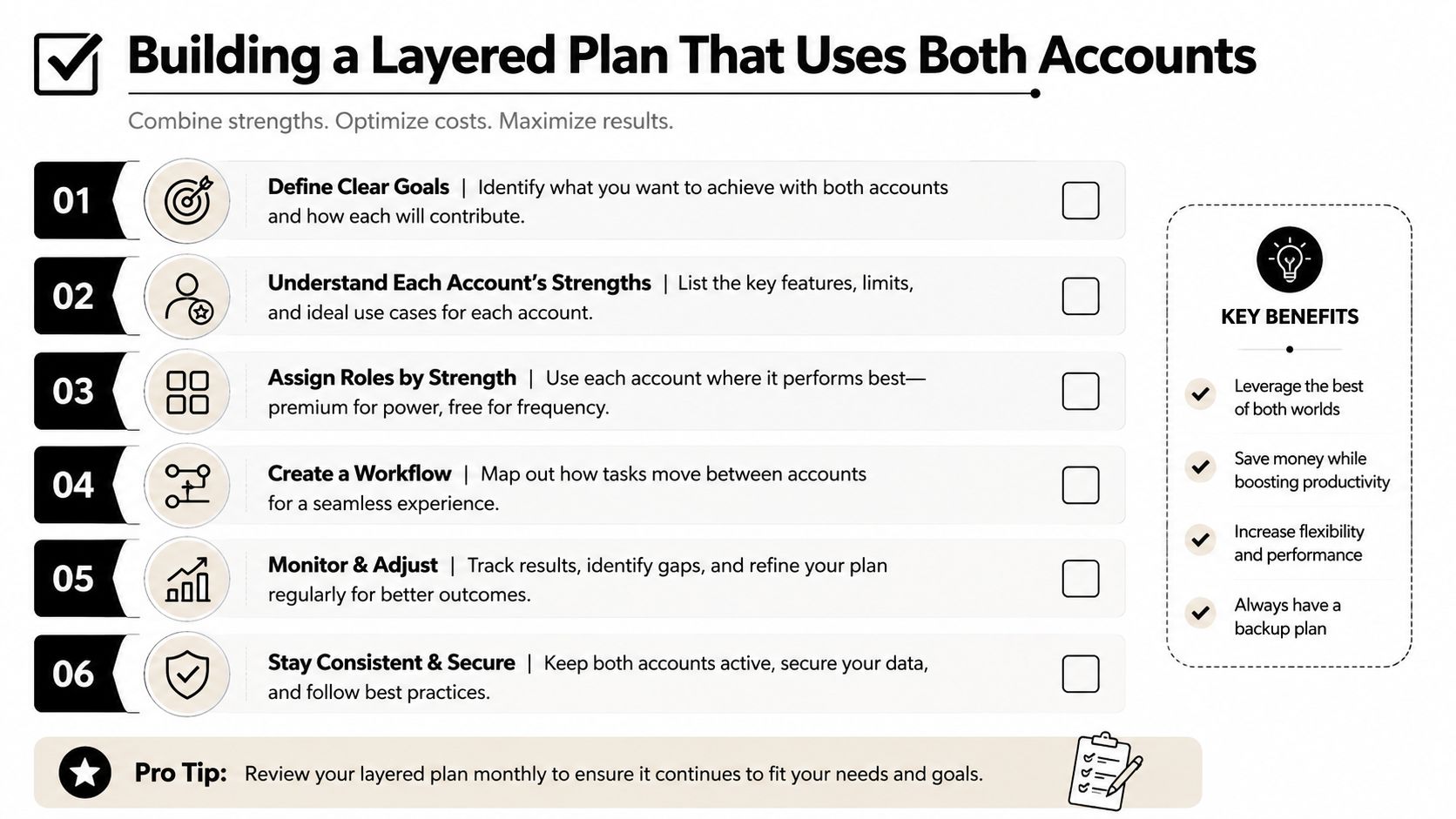
Order matters. Fund stability first, then retirement, then additional investing. If you are considering Roth conversions or trying to coordinate tax brackets with retirement strategy, Roth conversion planning should be evaluated inside the full return, not treated like a standalone trick.
Here is the checklist I give San Diego taxpayers:
- Cover the basics first: Keep enough cash to handle a surprise without touching retirement money.
- Protect the Roth: Treat it as retirement capital unless you need a backup source.
- Accept the tax reality: Cash held in savings for years earns less after tax than many people assume.
- Use the right bucket: Short timeline, savings. Long timeline, Roth.
A Roth IRA is a bad emergency fund because it puts retirement dollars at risk for a short-term problem. Savings is for stability. The Roth is for money you can leave alone and let grow. Build the emergency fund first, then fund the Roth, then keep going.